How Dance Fitness Supports Brain Health and May Reduce Dementia Risk
Dementia affects more than 55 million people worldwide, and that number continues to rise. While there is currently no cure, growing research shows that lifestyle choices, particularly physical activity, play a powerful role in protecting brain health.
Among all forms of exercise, dance stands out.
Not just as movement, but as one of the most complete workouts for the brain.
Dance Trains the Body and the Brain
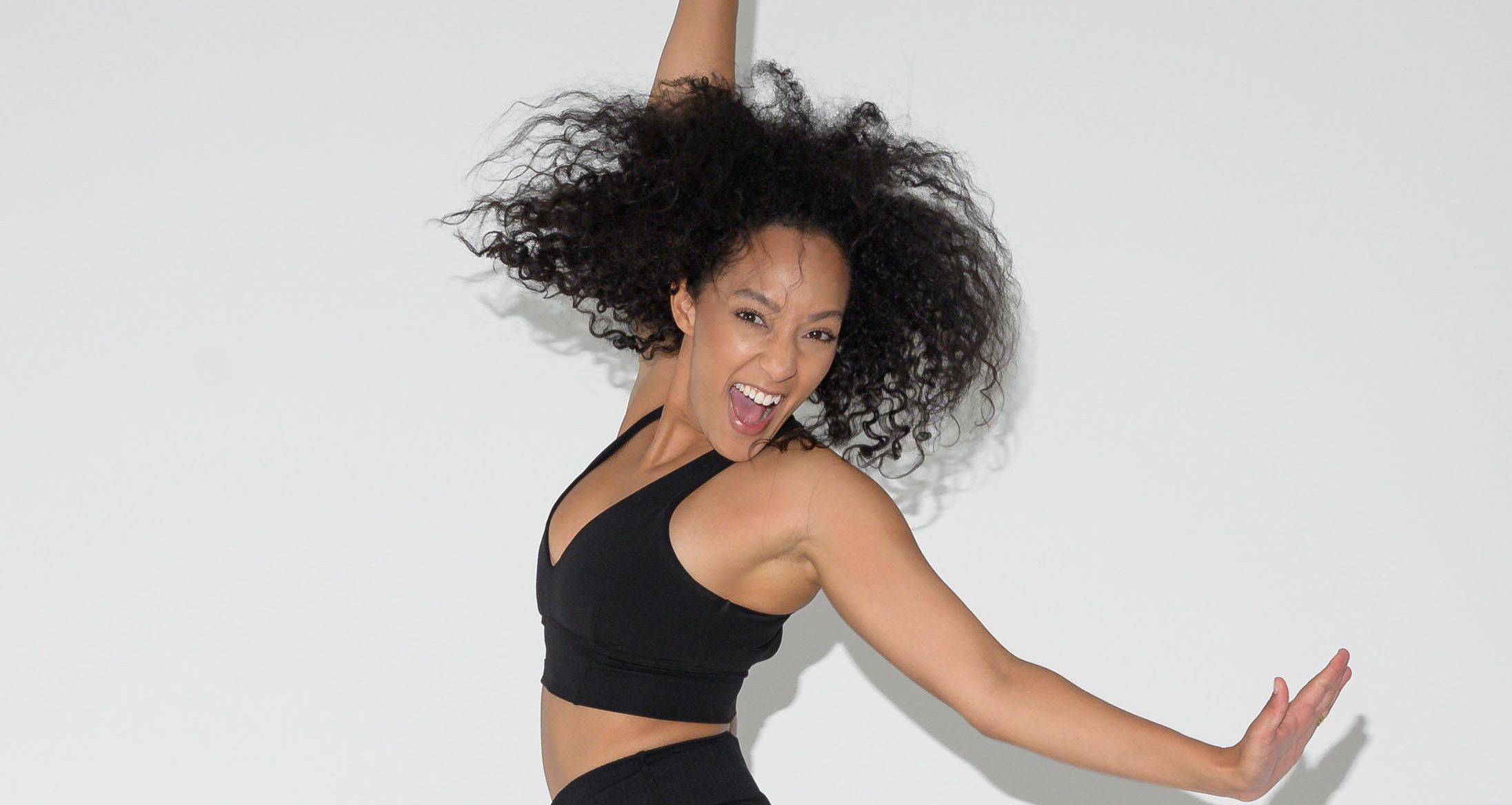
Unlike repetitive exercise, dance requires coordination, memory, rhythm and decision-making. Each routine challenges the brain to learn, adapt and respond in real time.
This mental engagement matters.
A long-term study published in The New England Journal of Medicine found that dance was one of the most effective physical activities for reducing the risk of cognitive decline, outperforming walking, swimming and cycling. Researchers linked this to the combination of physical movement and mental complexity.
In simple terms, dance keeps the brain active while the body moves.
Movement Improves Blood Flow to the Brain
Regular physical activity increases blood circulation and oxygen delivery to brain tissue. This supports neuron health and reduces inflammation, both of which are linked to dementia risk.
Research in Neurology shows that people who maintain consistent moderate exercise have better memory and slower cognitive decline as they age.
Dance fitness provides this cardiovascular benefit in a way that is enjoyable and sustainable.
Music Strengthens Memory Pathways
Music activates regions of the brain involved in memory, emotion and attention. Familiar songs can trigger powerful recall, even in people experiencing memory loss.
Studies in Frontiers in Psychology show that music-based movement improves cognitive engagement and emotional wellbeing in older adults.
When music and movement are combined, multiple neural networks are activated at once, strengthening brain connectivity.
Social Connection Matters
Isolation is a major risk factor for cognitive decline.
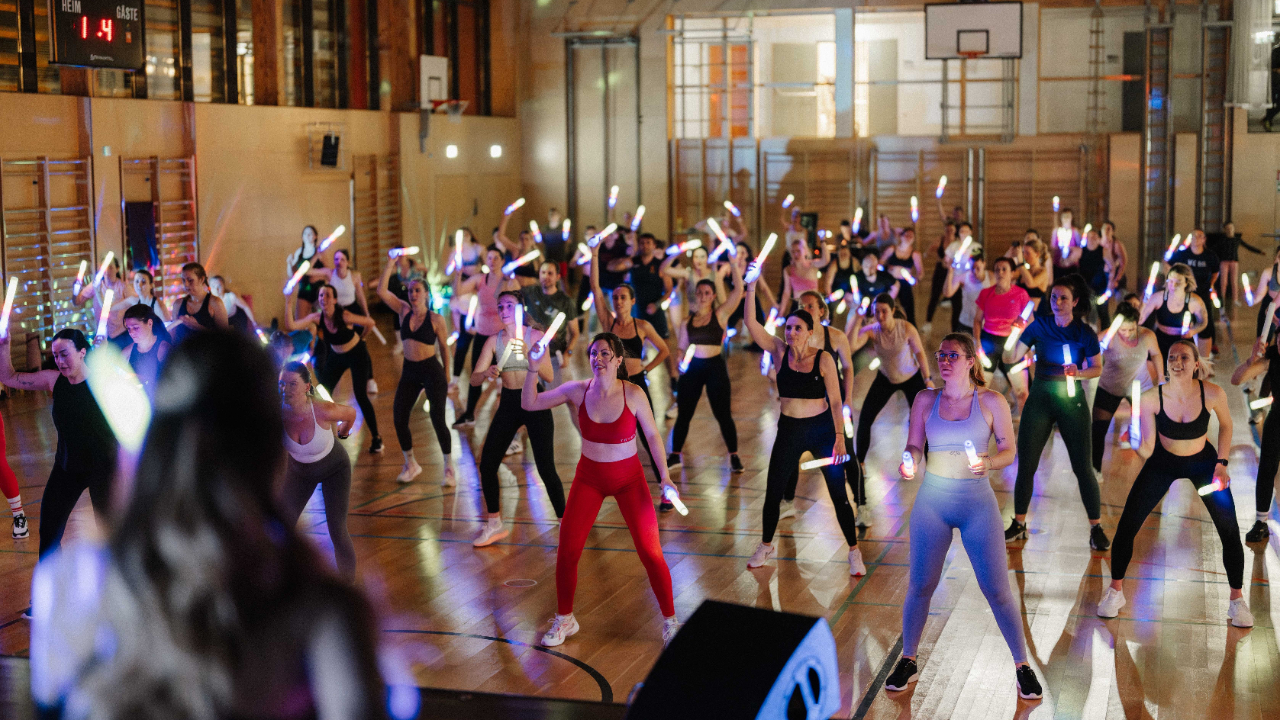
Group-based dance fitness encourages interaction, belonging and emotional connection. Research published in The Lancet links strong social engagement with reduced dementia risk and better long-term brain health.
Feeling connected is not just good for mental health. It is protective for the brain.
Why Consistency Is Key
The greatest benefits come from regular movement over time.
Dance fitness supports consistency because it is enjoyable. People return because they feel good, not because they feel pressured.
That consistency is what builds long-term neurological resilience.
The Jungle Body Approach
At The Jungle Body, classes are designed to challenge coordination, memory and rhythm while supporting cardiovascular health and emotional wellbeing.
Participants are not just exercising.
They are learning, feeling and connecting.
All at once.
The Science Is Clear
Dance fitness supports brain health by improving circulation, strengthening neural pathways, enhancing memory and encouraging social connection.
It is one of the few forms of exercise that trains the body and the brain together.
A Simple Way to Protect Your Future
No single activity can prevent dementia on its own.
But movement matters. Music matters. Connection matters.
Dance brings them together.
And that combination is powerful.
Stay connected with news and updates!
Join our mailing list to receive the latest news and updates from our team.
Don't worry, your information will not be shared.
We hate SPAM. We will never sell your information, for any reason.